Unlocking the Animal-Based Diet: A Guide to Understanding the Basics
Have you ever wondered what it means to eat an “animal-based” diet? You might see it on social media, hear about it from friends, or even be curious about trying it yourself. But what exactly does it involve, and is it right for you?
This guide will take you on a journey to understand the animal-based diet, from its core principles to its potential benefits and drawbacks.
What is an Animal-Based Diet?
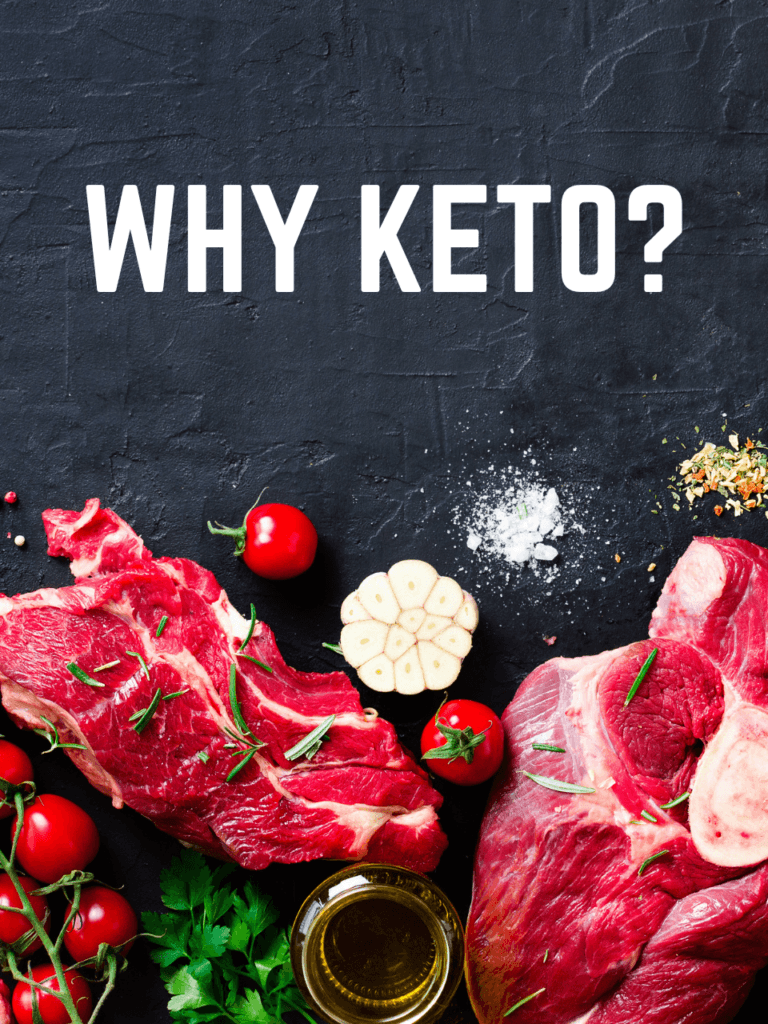
The animal-based diet is a dietary approach that focuses on consuming primarily animal products, such as:
- Meat: Beef, chicken, pork, lamb, fish, and seafood
- Eggs: Chicken, duck, quail, and others
- Dairy: Milk, cheese, yogurt, and butter
- Other: Honey, bone broth, and gelatin
This diet can be very strict, excluding all plant-based foods, or it can be more flexible, allowing for small amounts of fruits, vegetables, or nuts.
Benefits of an Animal-Based Diet:
- High Protein: Animal products are excellent sources of protein, which is essential for building and repairing tissues, maintaining muscle mass, and regulating hormones.
- Rich in Essential Nutrients: Animal products contain a wide range of essential nutrients, including vitamin B12, iron, zinc, and omega-3 fatty acids.
- May Improve Blood Sugar Control: Some proponents of the animal-based diet claim it can help stabilize blood sugar levels, especially in individuals with insulin resistance or type 2 diabetes.
- May Promote Weight Loss: The high protein and fat content of animal products can promote feelings of fullness and reduce cravings, potentially leading to weight loss.
Drawbacks of an Animal-Based Diet:
- Nutrient Deficiencies: Without consuming a variety of plant-based foods, you may experience deficiencies in essential vitamins, minerals, and fiber.
- Increased Risk of Cardiovascular Disease: Diets high in saturated fat, often found in animal products, can increase the risk of heart disease.
- Sustainability Concerns: Animal agriculture can have a significant environmental impact, contributing to greenhouse gas emissions and deforestation.
- Ethical Considerations: Some people choose not to consume animal products for ethical reasons, such as concerns about animal welfare.
Who Might Benefit from an Animal-Based Diet?
While the animal-based diet might appeal to some individuals, it’s important to remember that it’s not suitable for everyone. It’s best to discuss any dietary changes with your doctor or a registered dietitian, especially if you have specific health concerns.
Conclusion
The animal-based diet is a complex and controversial topic. It has potential benefits and drawbacks, and it’s crucial to weigh them carefully before making any major dietary changes. Remember to prioritize a balanced and varied diet that meets your individual needs and promotes your overall health.
Secondary Keywords: animal based diet, animal based food, animal products, animal protein, animal protein diet