Unlock the secret to shedding pounds effortlessly with food combining – the simple yet powerful strategy for sustainable weight loss.
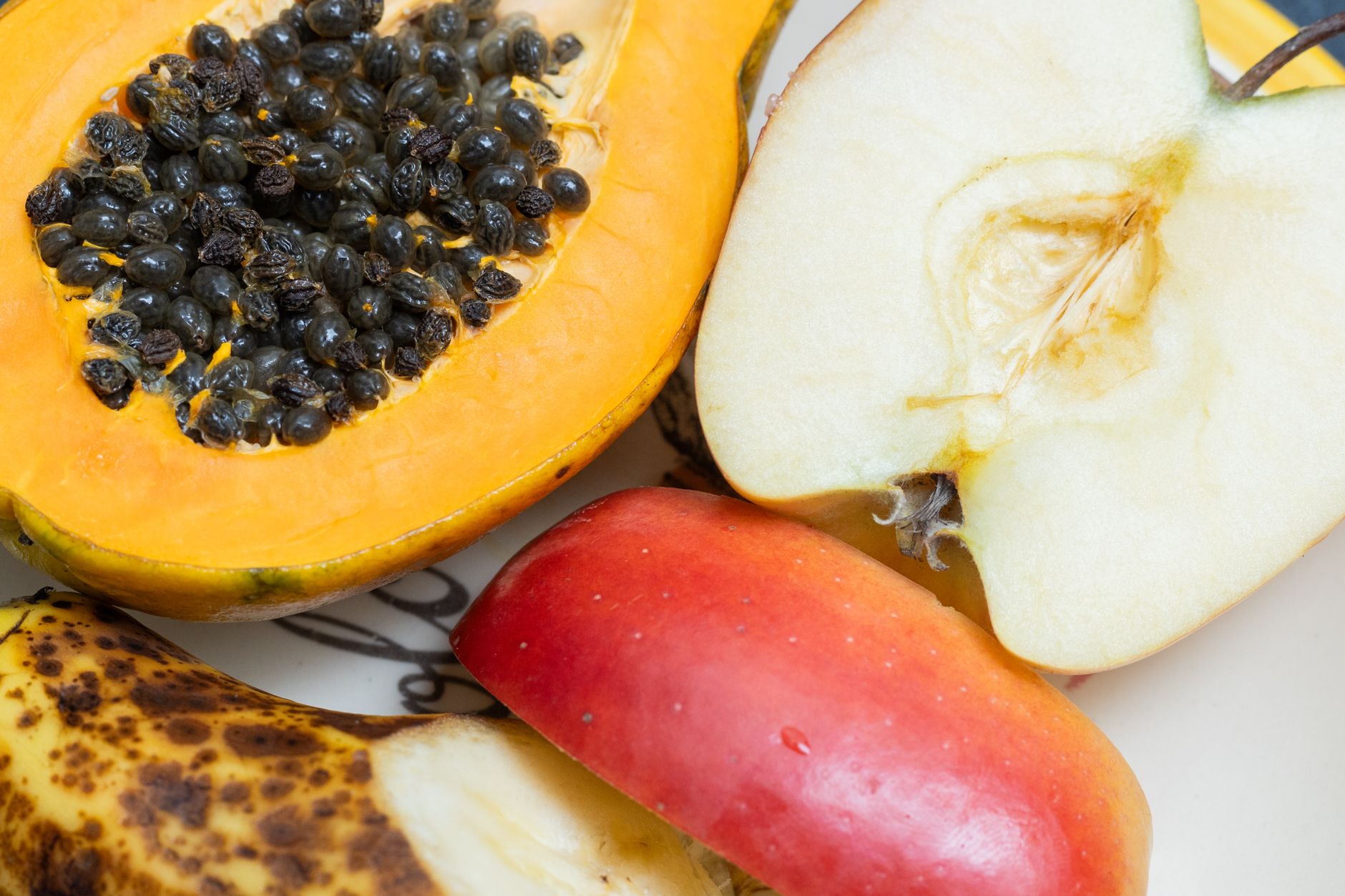
Table of Contents
Introduction to Food Combining
Welcome to the exciting world of food combining! I’m eager to share what this idea is all about and why it has caught the attention of so many people, especially those looking to shed some pounds. Food combining is not just a trendy buzzword; it’s a method some folks believe can help them feel better and potentially lose weight.
What is Food Combining?
Food combining is the practice of eating certain foods together while avoiding mixing others. This might sound simple, but it’s based on the idea that some foods work better when paired up. For example, proteins and carbohydrates are usually kept separate in a food combining diet plan for weight loss. By following these simple rules, people hope to improve how their bodies digest food.
Why Do People Try Food Combining?
Many people turn to food combining for a few reasons. The biggest draw is the belief that it can help with weight loss. Some think that by carefully selecting which foods to eat together, they can boost their digestion and energy. Additionally, those who try food combining say it helps them feel lighter and more energized after meals. So, it’s no wonder that food combining has become popular among those looking for ways to change their eating habits!
Principles of Food Combining
When I first learned about food combining, I found it really interesting. It has some specific rules that can help people know how to eat foods together for better health. Let’s dive into the basic ideas of food combining principles and see how they work!
The Main Rules
The first thing to know is that there are some main rules for food combining. One big rule is that we should eat proteins and carbohydrates at different meals. For example, if I have chicken (which is a protein), I should not eat it with rice (which is a carbohydrate). Instead, I can have my chicken with veggies or a salad. This helps our tummies digest things better!
An additional rule is to avoid mixing different types of proteins. For instance, having fish and cheese together is not a good idea in the food combining diet. When I stick to these rules, it can be easier for my body to break down the food I eat.
Food Groups in Food Combining
In food combining, it’s also important to understand the different food groups. The main groups are proteins, carbohydrates, and fats. Each of these foods works best when eaten separately. For example, proteins like meat, eggs, and beans should be eaten on their own or with non-starchy vegetables.
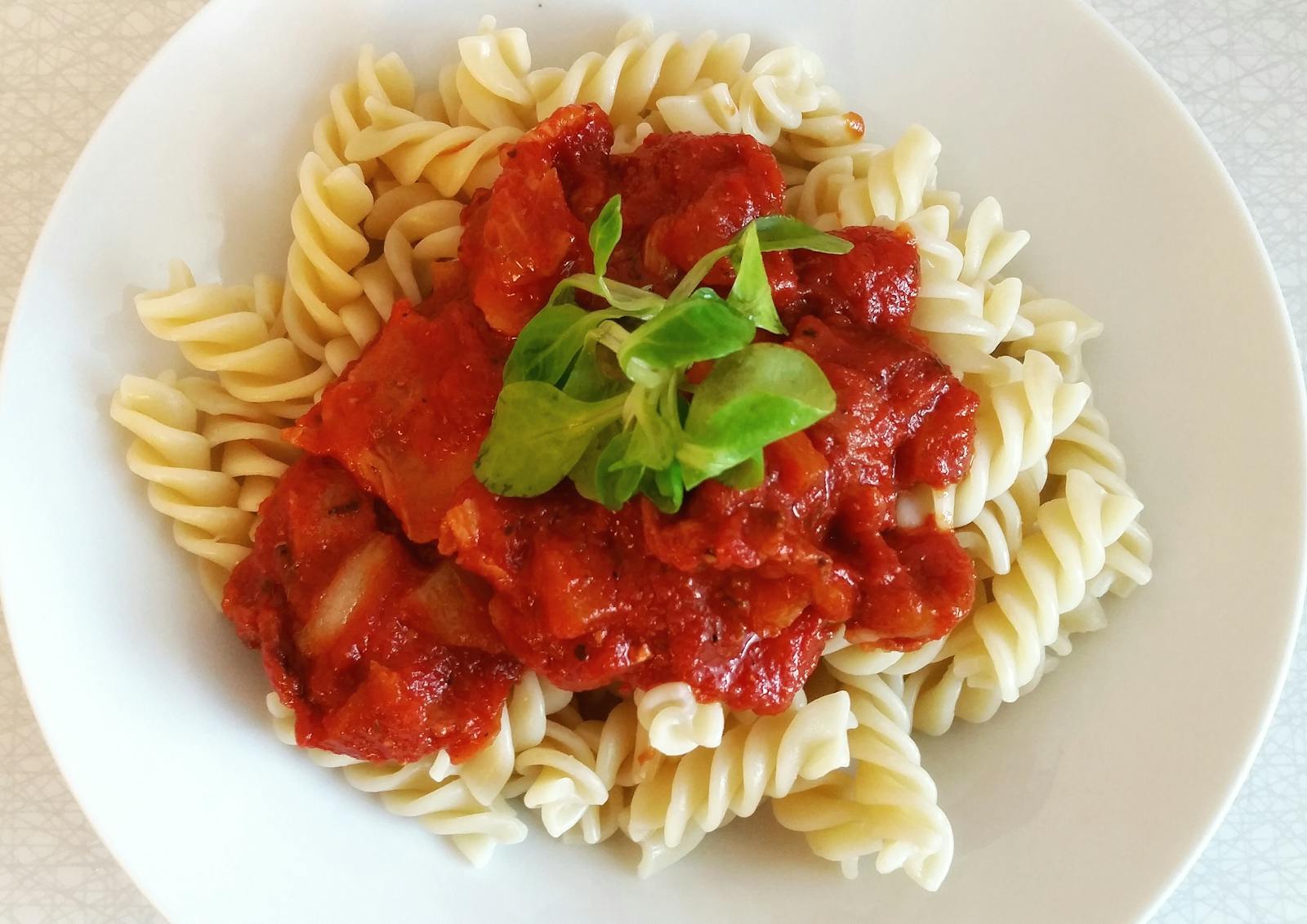
Carbohydrates, like bread, pasta, and potatoes, are great to eat with non-starchy vegetables as well. They should not be mixed with proteins. Fats, like avocados and nuts, can be paired with non-starchy veggies too. Knowing these groups helps me create meals that follow the food combining diet.
How Food Combining Can Help with Weight Loss
I’ve found that understanding the science behind food combining and weight loss can make a difference for those wanting to shed some extra pounds. The idea is that when I eat foods that work well together, my body can digest them better. This may help my body absorb nutrients, get rid of waste, and possibly lose weight. Some people believe that combining certain foods can create a perfect environment for digestion. When food is digested properly, it may help reduce bloating and cravings, making it easier for me to stick to my food combining diet plan for weight loss.
Success Stories
When I looked at stories from others who tried food combining, I discovered many people had success with their weight loss journeys. For example, some friends reported that following a food combining diet helped them feel lighter and more energetic. They shared how carefully choosing their meals made it easier for them to choose healthier foods. These personal success stories really inspired me and showed that food combining and weight loss can go hand in hand. By simply combining foods wisely, they managed to create meals that not only tasted great but also supported their weight loss goals.
Creating Food Combining Meals
When I think about creating meals that follow the food combining diet, it becomes an exciting challenge. There are so many tasty options! I want to make sure that the meals I prepare help with my digestion and support my weight loss goals at the same time. Here, I’ll share some practical tips for making food combining meals that are both delicious and healthy.
Breakfast Ideas
Starting the day with a great breakfast is important to me! For a food combining breakfast, I might choose a smoothie made from fruits like bananas or berries. Fruits are great on their own and tasty when blended together. Another option is oatmeal topped with nuts, which adds protein and makes the meal filling. I would avoid mixing fruit and yogurt in the morning, as that doesn’t usually agree with my digestion.
Lunch and Dinner Ideas
For lunch, I love having a big salad with lots of colorful veggies. I can add some grilled chicken for protein, and I like to dress it with olive oil and lemon juice. This combination keeps my meal simple and satisfying. For dinner, I might cook brown rice and pair it with steamed vegetables like broccoli and carrots, while keeping it light without adding a heavy sauce. Mixing grains and veggies works well while focusing on my food combining principles.
Snack Suggestions
Snacking can be fun and healthy! I like to enjoy fresh fruits like apples or grapes, as they are perfect snacks all on their own. When I’m feeling like something crunchy, I grab a handful of nuts, but I avoid eating them right after fruits to keep my digestion smooth. I’ve also found that hummus with sliced cucumbers makes a quick protein-packed snack that I really enjoy.
As I create these food combining meals, I realize that it’s not just about following rules—it’s about finding foods I enjoy and that work well together. By trying different combinations, I can discover what makes me feel my best! The journey of combining foods for digestion is both tasty and fun.
Combining Foods for Better Digestion
When I think about how my body feels after eating, I realize that certain foods can help me feel better. This idea is part of food combining. It’s about what I choose to eat together. The right combinations can make digestion easier for my stomach. Let’s explore how combining foods for digestion can be beneficial.
Foods That Go Well Together
There are many foods that I can mix together to have a happy tummy. For example, eating fruits alone is often recommended. Bananas with yogurt are tasty and help my digestion. Each fruit and veggie serves its purpose. For instance, I could pair leafy greens with healthy fats like avocado. This combination tastes great and helps my body absorb more nutrients!
Another example is combining grains and vegetables. If I’m enjoying brown rice, adding some steamed broccoli is a smart choice. They work well together, making my meal filling and good for digestion. The food combining diet reminds me that getting these pairings right can make all the difference in how I feel after eating.
Foods to Avoid Combining
While there are great combinations, I also need to be careful about some foods I mix together. For example, combining proteins like chicken with starchy foods like potatoes can sometimes cause my stomach to feel heavy. It’s like my digestive system gets confused! It’s better for me to separate these kinds of foods, especially during the same meal.
Another combo to avoid is fruit with dairy. Eating a smoothie with bananas and milk might seem yummy, but it can sit heavy in my belly. By recognizing these tricky combinations, I can feel lighter and more energized after meals. This helps me stay on track with my food combining diet.
Tips for Starting Food Combining
When I decided to try food combining, I knew I had to start simple. It can be a little confusing at first, so I focused on making just a few easy changes to my meals. Instead of trying to follow every single rule right away, I picked one or two food combining principles to follow. For example, I started by not eating proteins with carbohydrates. This way, I didn’t feel overwhelmed. Keeping my meals simple helped me enjoy the process and made it easier to stick with my food combining diet plan for weight loss.
Keep a Journal
Another tip that really helped me was keeping a food diary. I wrote down everything I ate and how I felt after each meal. This was super helpful! It allowed me to see which food combinations worked well for my body and which ones didn’t. Plus, it was fun to look back and notice any changes. If I felt great after a meal, I could remember to make it again. Tracking my progress helped me stay motivated on my journey with food combining.
Stay Consistent
One of the most important tips I learned was to stay consistent. Just like with anything else, it takes time to see results. I reminded myself that food combining and weight loss might not happen overnight. I kept following the rules over the weeks, even if I didn’t see changes right away. Patience is key! By sticking to my food combining diet consistently, I started to notice improvements in my energy levels and even some gradual weight loss. It felt rewarding to keep going, knowing that I was making healthy choices for my body.
Combining Foods for Better Digestion
When I think about food combining, I remember that it’s not just about losing weight; it’s also about feeling good and digesting our food properly. The way we combine foods can play a big role in how our stomachs handle what we eat.
Foods That Go Well Together
Some foods are great partners when it comes to eating together. For example, if I combine fruits with leafy greens, it can create a tasty smoothie that my body loves! Foods high in water, like cucumbers, mix well with healthy fats, like avocado. These combinations can help my stomach digest better and make me feel energized!
Foods to Avoid Combining
On the flip side, some combinations just don’t work. Mixing proteins, like chicken or beans, with starchy carbs, like bread or pasta, can sometimes upset my tummy. It’s better to keep these foods apart to avoid any uncomfortable feelings later. Remembering which combinations to avoid is just as important as knowing which ones are good!
Tips for Starting Food Combining
If I want to try food combining, I know it’s best to keep it simple at first. Starting with easy food combinations helps me learn how my body feels. I can also keep a food diary to write down the meals I enjoy and how they make me feel after eating. This can help me understand which foods work best for me.
Lastly, I remind myself to stay consistent. Trying new eating habits takes time, and it’s important to be patient with myself as I learn what works best. Food combining can be a fun journey filled with delicious meals and new discoveries about my body!